3.31.26
Science & Ingredients
Natural Caffeine Drinks: What They Are and Why They Matter
Quick Overview
- Natural caffeine comes from plants like green tea, coffee beans, yerba mate, and guarana instead of synthetic sources
- It often delivers smoother energy with less crash because of naturally occurring L-theanine and other plant compounds
- Common sources include coffee, tea, yerba mate, guayusa, and guarana-based drinks
- Natural caffeine drinks are a better fit for people prioritizing clean ingredients and functional energy
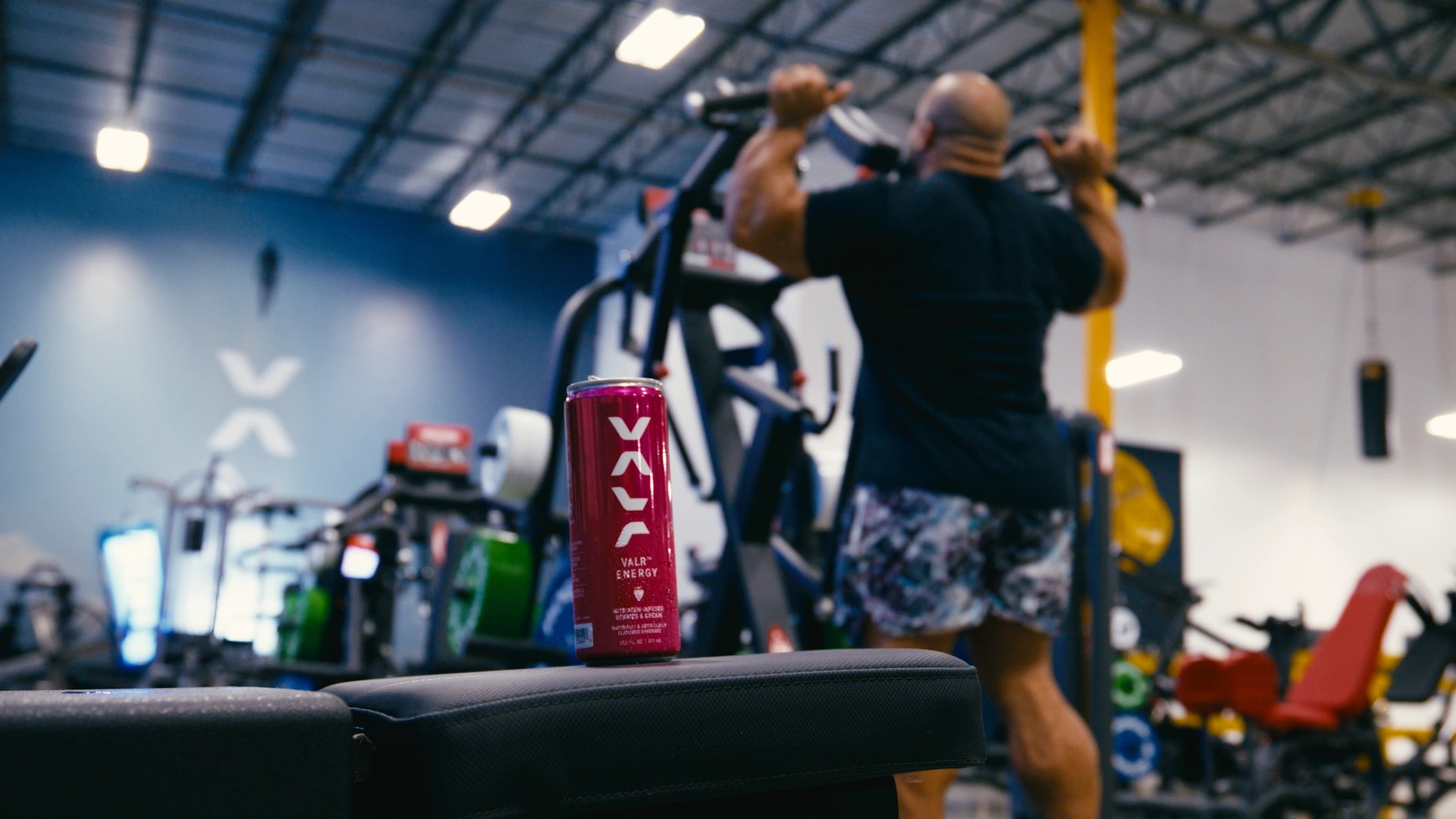
- VALR uses natural caffeine from green tea combined with nitrogen infusion for smoother drinkability and steady focus
What Natural Caffeine Actually Means
Natural caffeine is caffeine sourced directly from plants rather than synthetically manufactured in a lab. The most common sources include green tea, coffee beans, yerba mate, guayusa, and guarana. These plants naturally contain caffeine along with other beneficial compounds like antioxidants, polyphenols, and amino acids that can influence how your body processes the caffeine.
Synthetic caffeine, on the other hand, is chemically identical to natural caffeine but produced through industrial processes. It's often cheaper to produce at scale, which is why many traditional energy drinks and sodas use it. The difference isn't just about origin—it's about what else comes with the caffeine and how your body experiences it.
Why Natural Caffeine Feels Different
People who switch from synthetic to natural caffeine often report smoother, more sustained energy without the sharp spike and crash. This difference comes down to the full plant profile, not just the isolated caffeine molecule.
The Role of L-Theanine
Green tea and other natural sources contain L-theanine, an amino acid that promotes calm focus and can reduce the jittery feeling some people get from caffeine. When L-theanine and caffeine work together, the result is often described as alert but relaxed energy—ideal for focus, training, or getting through a long work session.
Slower Absorption
Natural caffeine from whole plant sources is often absorbed more gradually than synthetic caffeine, which can lead to longer-lasting energy without the sudden drop. This is especially true when natural caffeine is paired with other functional ingredients that support endurance and focus.
Common Sources of Natural Caffeine
If you're looking for drinks that use natural caffeine, here are the most common plant sources you'll see:
- Green tea: Contains moderate caffeine plus L-theanine and antioxidants for smooth energy and focus
- Coffee: The most popular source, with higher caffeine content and rich antioxidants
- Yerba mate: A South American plant with caffeine, vitamins, and minerals, known for balanced energy
- Guayusa: An Amazonian leaf similar to yerba mate but with a cleaner taste and steady lift
- Guarana: A Brazilian fruit with naturally high caffeine, often used in energy drinks and supplements
Each source brings its own profile of additional compounds, which is why the experience can vary even if the caffeine content is similar.
What to Look for in a Natural Caffeine Drink
Not all drinks marketed as natural are created equal. Here's what separates the better options from the rest:
- Clear sourcing: The label should specify where the caffeine comes from—green tea, coffee, yerba mate, etc.
- Minimal added sugar: Natural caffeine works better when it's not buried under 20+ grams of sugar that cause their own spike and crash
- Functional ingredients: Look for additions like adaptogens, amino acids, or vitamins that support focus, mood, or endurance
- Clean ingredient list: Fewer artificial flavors, colors, and preservatives mean the drink is built around performance, not just taste masking
Who Natural Caffeine Drinks Are For
Natural caffeine drinks work well for people who want functional energy without synthetic ingredients. They're especially useful for:
- Athletes and active people who need steady energy for training or recovery
- Anyone who gets jittery or crashes hard on traditional energy drinks
- People focused on cleaner nutrition and ingredient transparency
- Professionals looking for calm, sustained focus instead of short bursts of hype
- Those interested in wellness, longevity, and long-term performance
If you prioritize how you feel over the next few hours instead of just the next 20 minutes, natural caffeine is a smarter choice.
How VALR Fits Into the Natural Caffeine Category
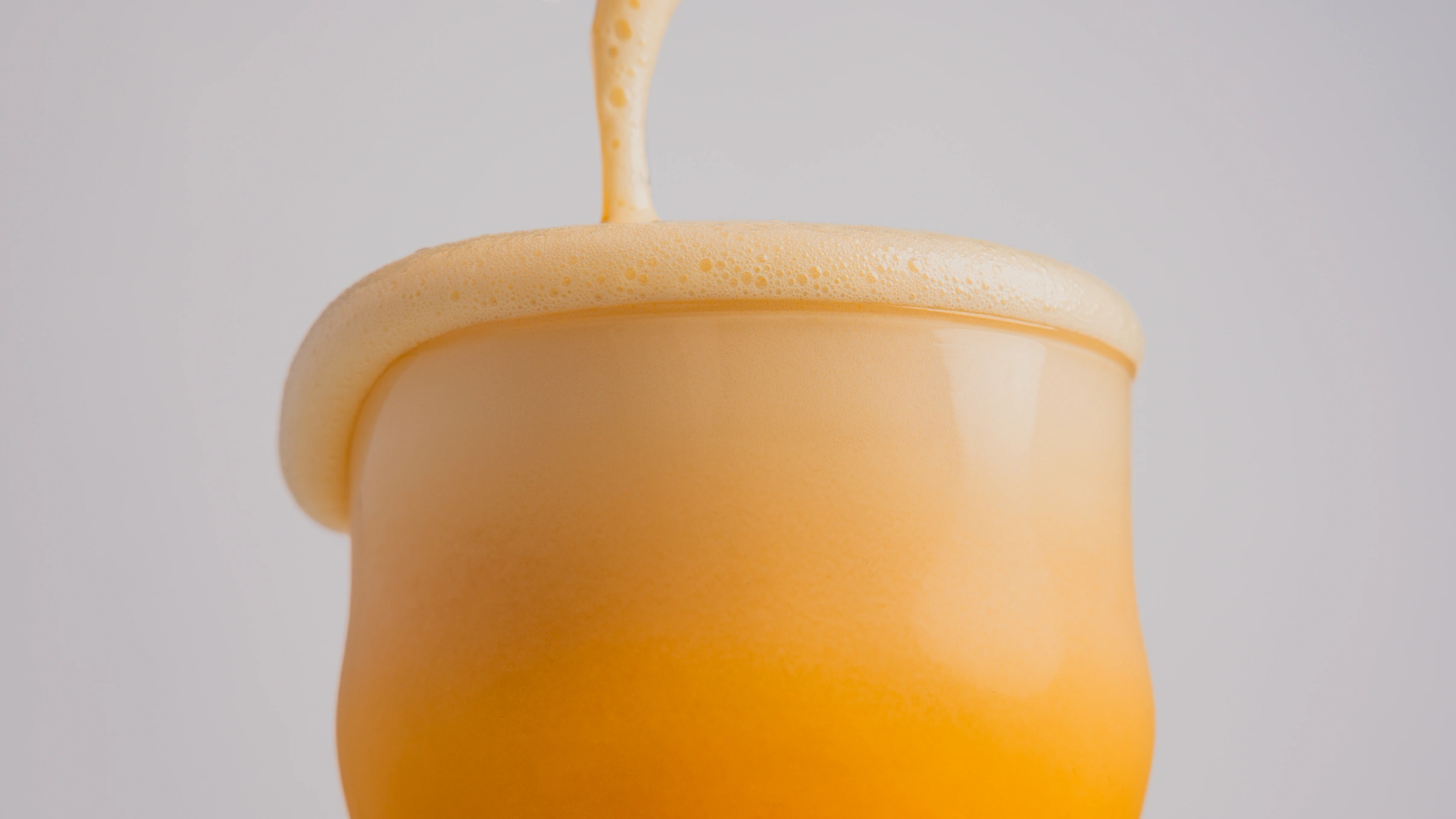
VALR is built around natural caffeine from green tea, which means you get the benefits of L-theanine and antioxidants alongside the energy boost. But what sets VALR apart is the nitrogen infusion. Unlike carbonated energy drinks that can feel harsh or bloating, nitrogen creates a smoother, creamier texture that's easier to drink during or after training.
VALR also has zero added sugar and includes functional ingredients selected to support focus, mood, stress, and endurance. It's designed for people who want performance energy that fits into a clean, active lifestyle—not just a quick spike followed by a crash.
Natural vs. Synthetic: Does It Really Matter?
Chemically, caffeine is caffeine. But the experience matters. Natural sources come with co-factors that influence absorption, duration, and how your body handles the stimulant. Synthetic caffeine is isolated and fast-acting, which is why it can feel more intense upfront but also lead to sharper crashes.
For most people, especially those training regularly or managing long days that require sustained focus, natural caffeine offers a more functional, balanced experience. It's not about being purist—it's about performance that lasts.
Final Takeaway
Natural caffeine drinks offer smoother, more sustained energy because they come from whole plant sources that include beneficial compounds like L-theanine and antioxidants. If you're looking for clean energy that supports focus, training, and daily performance without the crash, choosing drinks with natural caffeine from green tea, coffee, or yerba mate is a smart move. VALR takes that foundation and adds nitrogen infusion, zero added sugar, and functional ingredients to create energy that feels as good as it performs.
Ready to feel the difference?
March 27, 2026
Science & Ingredients
What Makes an Energy Drink “Clean”?
What actually makes an energy drink clean, smooth, and better for performance?

April 14, 2026
Science & Ingredients