
4.14.26
Science & Ingredients
What Makes an Energy Drink Actually Clean?
Quick Overview
- Clean energy drinks prioritize transparency, functional ingredients, and minimal additives
- Look for natural caffeine, zero or low sugar, recognizable ingredients, and nothing artificial
- Nitrogen infusion offers smoother energy compared to heavy carbonation and synthetic sweeteners
- The cleanest options support focus, performance, and recovery without the crash or jitters
What Does Clean Energy Actually Mean?
Clean energy is more than marketing. It refers to drinks built with intentional ingredients, transparent sourcing, and formulations that prioritize how your body processes energy. Instead of relying on excessive sugar, artificial sweeteners, synthetic caffeine, or long lists of fillers, clean energy drinks focus on functional performance and real benefits.
The shift toward cleaner energy reflects what more people want: something that works without compromise. Whether you train regularly, work long hours, or just want reliable energy without feeling wired or sluggish later, clean energy matters.
What to Look for in a Clean Energy Drink
Natural Caffeine Sources
Synthetic caffeine hits hard and fades fast. Natural caffeine from green tea or guayusa delivers smoother, more sustained energy with less risk of jitters or crashes. It works with your system instead of against it.
Zero or Minimal Added Sugar
Most traditional energy drinks load up on sugar to mask harsh flavors and create a quick spike. That spike leads to a crash. Clean options use zero added sugar or rely on natural sweeteners that do not mess with your blood sugar or energy stability.
Functional Ingredients
The best clean energy drinks go beyond caffeine. Look for ingredients tied to focus, mood, stress resilience, and endurance. Things like L-theanine, adaptogens, B vitamins, and electrolytes add real value instead of just filling space on a label.
No Artificial Additives
Artificial colors, flavors, and preservatives are red flags. Clean energy drinks stick to recognizable ingredients you can actually pronounce. Transparency matters. If a brand hides behind proprietary blends or vague terms, that is usually a sign to look elsewhere.
Smooth Drinkability
Heavy carbonation can cause bloating and discomfort, especially during activity. Nitrogen infusion offers a smoother, lighter mouthfeel that makes energy drinks easier to consume before training, during work, or on the go. It also reduces the harsh, overly sweet taste common in traditional options.
Why Most Energy Drinks Miss the Mark
Traditional energy drinks were built for convenience and quick hits, not long-term performance or health. That model worked when people just wanted a jolt. Now, the expectations are higher.
Here is where most fall short:
- High sugar content that leads to energy crashes and metabolic stress
- Synthetic caffeine that feels jittery and wears off too quickly
- Artificial ingredients with no functional benefit
- Heavy carbonation that causes bloating and limits when you can drink them
- Vague labeling that makes it hard to know what you are actually consuming
People who care about performance, focus, and wellness need more than a quick fix. They need energy that supports how they move, think, and recover.
Who Clean Energy Drinks Are For
Clean energy drinks work best for people who treat energy as part of a larger system. If you train regularly, work in demanding environments, care about what you put in your body, or want to avoid the crash-and-burn cycle of traditional options, clean energy makes sense.
This includes:
- Athletes and active people who need reliable energy before, during, or after activity
- Professionals managing focus and productivity without relying on multiple cups of coffee
- Anyone avoiding sugar, artificial ingredients, or overly processed drinks
- People looking for smoother, more functional energy that fits their lifestyle
Where VALR Fits
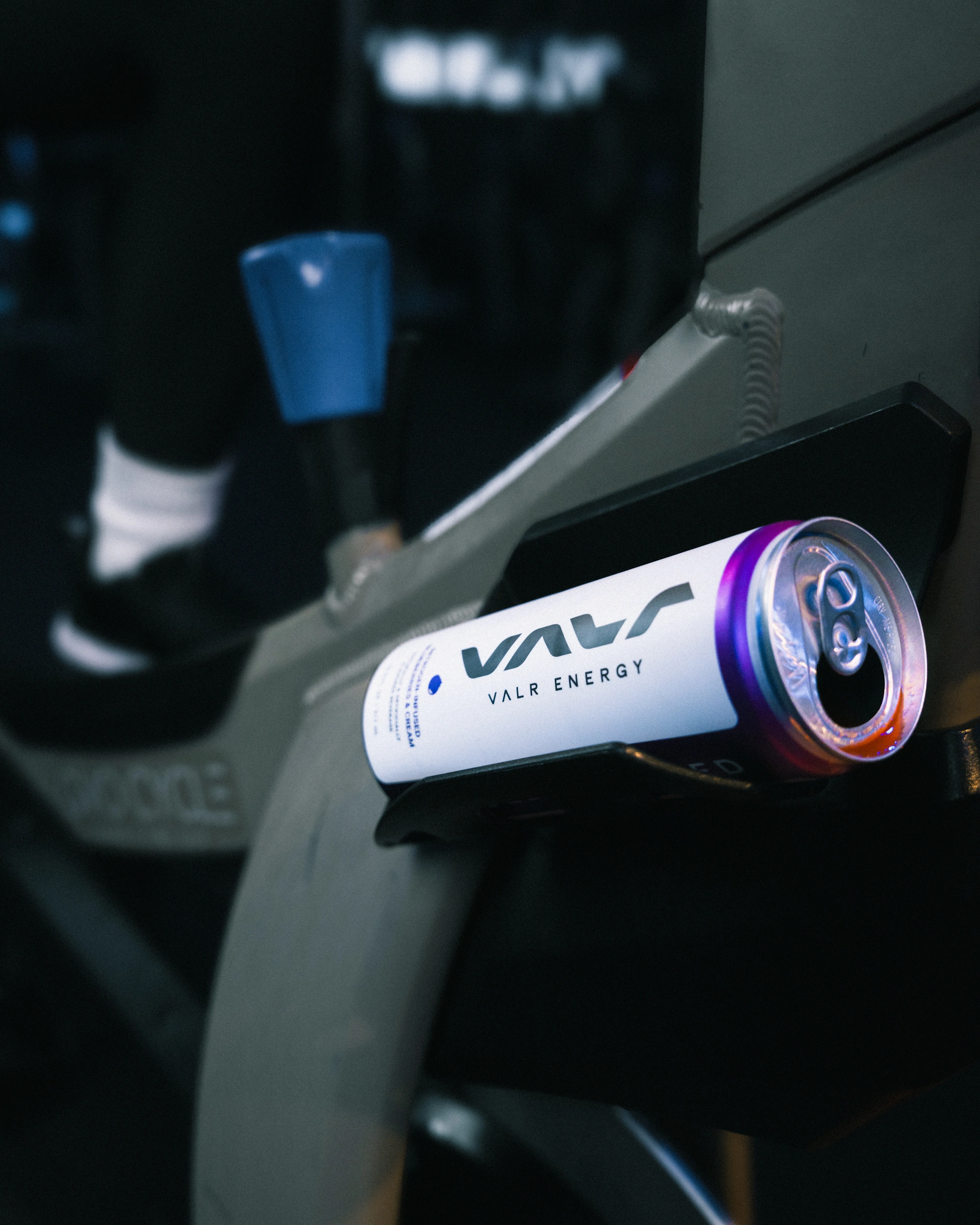
VALR was built around the idea that energy drinks should work better. Nitrogen infusion creates a smoother, lighter drinking experience without the bloat or harshness of heavy carbonation. Natural caffeine from green tea delivers sustained energy. Zero added sugar keeps things stable. Functional ingredients support focus, mood, stress resilience, and endurance.
It is designed for people who want performance-focused energy that fits training, work, and daily life without compromise. Clean does not mean weak. It means intentional.
How to Evaluate Clean Energy Options
When comparing energy drinks, start with the label. If the ingredient list is long, confusing, or full of things you do not recognize, move on. Clean energy should be easy to understand.
Ask these questions:
- Where does the caffeine come from?
- How much sugar or sweetener is included, and what kind?
- Are there functional ingredients beyond caffeine?
- Does the brand explain what each ingredient does?
- How does it feel to drink? Is it smooth or harsh?
The best options answer all of these clearly. If a brand is proud of its formula, it will show you exactly what is inside and why it matters.
Final Takeaway
The cleanest energy drink is not the one with the loudest marketing. It is the one built with transparency, functional ingredients, and a focus on how your body actually uses energy. Look for natural caffeine, zero added sugar, recognizable ingredients, and a smooth drinking experience that fits your routine. Clean energy works when it supports performance, focus, and recovery without the crash, jitters, or compromise.
Ready to feel the difference?

March 31, 2026
Science & Ingredients
What Clean Energy Drink Ingredients Actually Mean
April 23, 2026
Science & Ingredients