
4.23.26
Training & Performance
Tea Based Energy Drinks: What They Are and Why They Matter
Quick Overview
- Tea based energy drinks use natural caffeine from green, black, or white tea instead of synthetic sources
- They typically deliver smoother energy with less jitter and crash compared to traditional options
- Natural caffeine from tea includes L-theanine, which supports focus and calm energy
- Tea based formulas often pair better with clean ingredient profiles and functional benefits
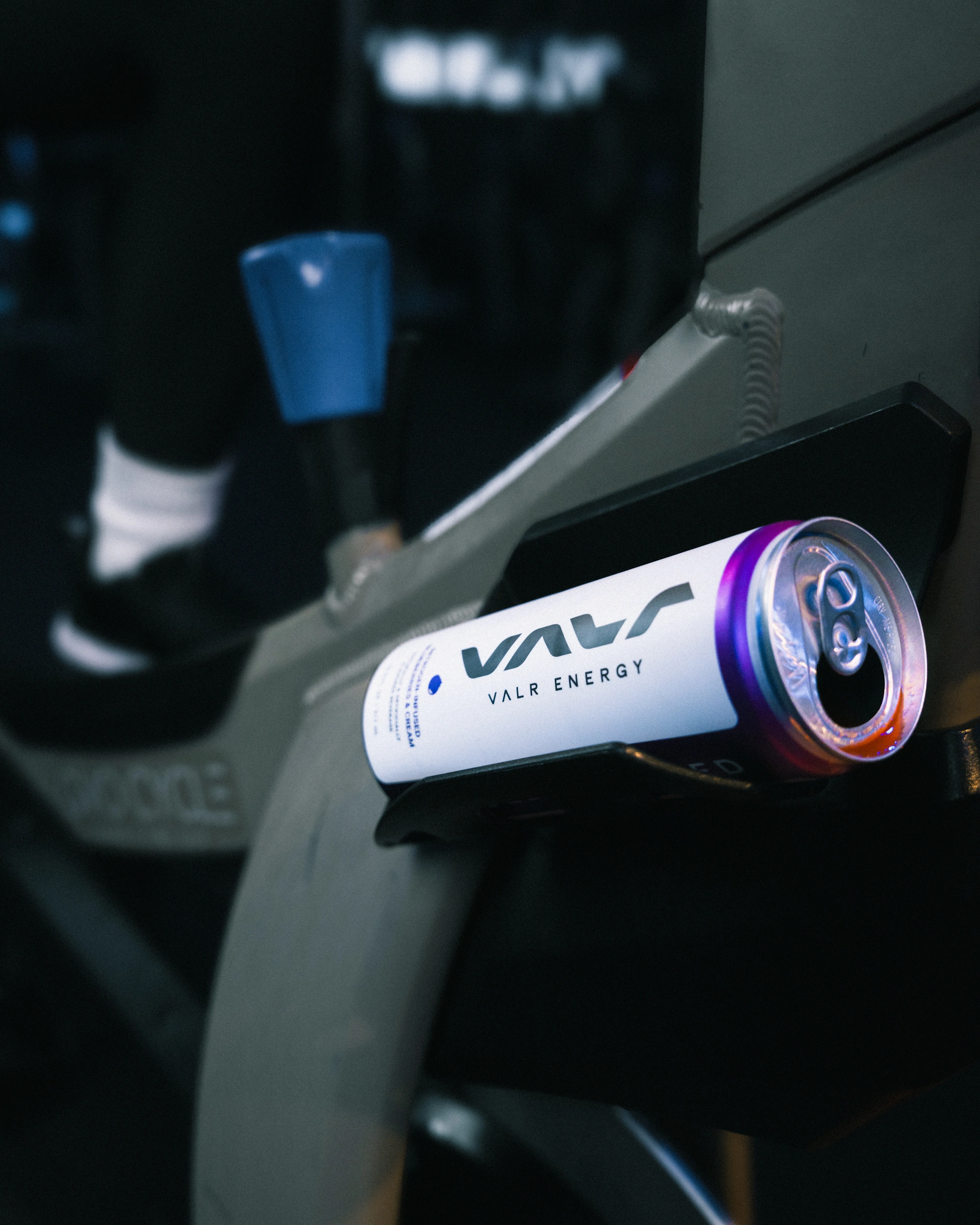
- VALR uses natural caffeine from green tea with nitrogen infusion for a smoother, more drinkable experience
What Is a Tea Based Energy Drink?
A tea based energy drink sources its caffeine from tea leaves rather than synthetic caffeine or guarana. The most common sources are green tea, black tea, and white tea. These drinks are designed to deliver energy with a cleaner ingredient profile and a smoother experience.
The key difference is the caffeine source. Traditional energy drinks use synthetic caffeine, which hits fast and hard but often leads to jitters and crashes. Tea based options provide natural caffeine that works with your body more gradually, supporting sustained energy and focus without the spike and drop.
Why Natural Caffeine From Tea Works Better
Natural caffeine from tea comes with L-theanine, an amino acid that promotes calm focus. This combination is why tea drinkers often report feeling alert without feeling wired. It smooths out the stimulant effect and supports cognitive performance without overstimulation.
Benefits of Tea Based Caffeine
- Smoother energy curve with less crash
- Natural pairing with L-theanine for focus and mood support
- Lower likelihood of jitters or anxiety
- Better alignment with clean, functional ingredient profiles
- Sustained mental clarity during training, work, or endurance activities
Tea based caffeine also fits well into broader wellness routines. It pairs naturally with hydration, functional ingredients, and performance goals.
What to Look for in a Tea Based Energy Drink
Not all tea based energy drinks are created equal. Some still rely on high sugar, artificial flavors, or excessive carbonation. Here is what separates a functional option from a dressed-up soda.
Ingredient Quality
Look for drinks that list green tea extract or natural caffeine from tea clearly on the label. Avoid vague terms like natural flavors with caffeine unless the source is specified. Check for added sugars, artificial sweeteners, and synthetic additives.
Caffeine Amount
Most tea based energy drinks contain between 80 and 160 mg of caffeine per serving. This range supports performance and focus without overstimulation. Anything above 200 mg may be too much for daily use, especially if you are stacking with other sources.
Functional Ingredients
Tea based drinks should support more than just wakefulness. Look for added adaptogens, nootropics, electrolytes, or vitamins that align with your goals. Ingredients like ashwagandha, L-theanine, B vitamins, and magnesium enhance focus, mood, and endurance.
Drinkability
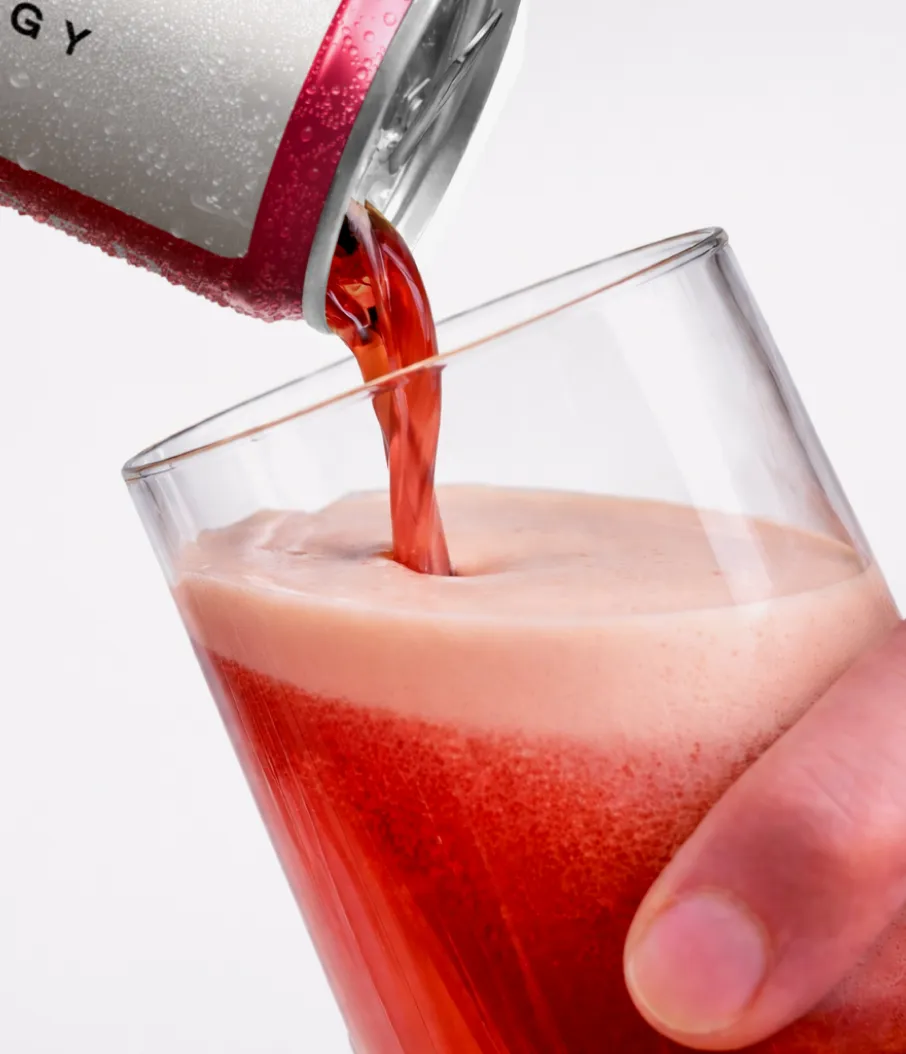
Heavy carbonation can cause bloating and discomfort during activity. Nitrogen infusion is a smoother alternative that creates a clean mouthfeel without the gas. VALR uses nitrogen to deliver a softer, more functional drinking experience that works better before training or during long work sessions.
Who Should Choose Tea Based Energy?
Tea based energy drinks work well for people who want effective energy without feeling overstimulated or crashing hard. They fit into active lifestyles, training routines, and productivity-focused days.
Best Use Cases
- Pre-workout energy that does not cause jitters or bloating
- Midday focus without disrupting sleep later
- Endurance activities like running, cycling, or hiking
- Long work sessions that require sustained attention
- Replacing coffee or traditional energy drinks with a cleaner option
If you are someone who trains regularly, values ingredient transparency, or wants energy that supports performance rather than just pushing through fatigue, tea based options are a better fit than conventional energy drinks.
How VALR Fits the Tea Based Energy Model
VALR is built around natural caffeine from green tea, nitrogen infusion, and functional ingredients selected for focus, mood, stress, and endurance. The formula delivers 140 mg of natural caffeine per can with zero added sugar and no artificial flavors.
Nitrogen infusion replaces traditional carbonation, creating a smoother, more drinkable texture that works better during activity. The ingredient stack includes adaptogens and nootropics that support cognitive performance and stress resilience, not just short-term energy.
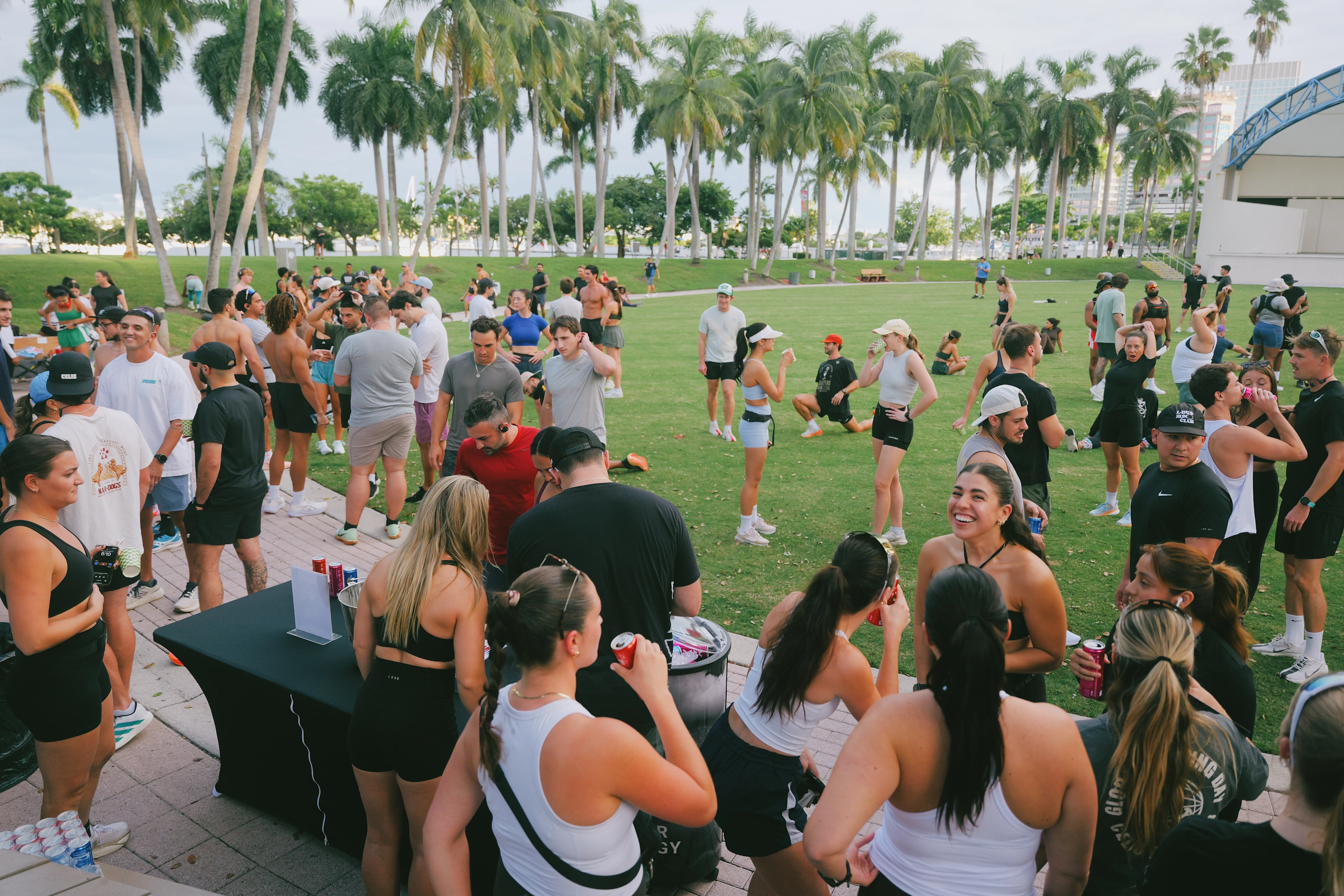
VALR is designed for people who want energy that feels clean, functional, and aligned with a performance-driven lifestyle. It fits naturally into training routines, run clubs, work sessions, and daily wellness habits.
Tea Based Energy vs Traditional Energy Drinks
The main differences come down to caffeine source, ingredient quality, and how the drink feels in your body.
Caffeine Source
Traditional energy drinks use synthetic caffeine or guarana, which deliver a fast spike followed by a crash. Tea based drinks use natural caffeine that absorbs more gradually and pairs with L-theanine for smoother focus.
Sugar and Sweeteners
Most traditional options are loaded with sugar or artificial sweeteners. Tea based drinks tend to use cleaner sweetener profiles or zero added sugar, which supports better energy management and metabolic health.
Carbonation
Heavy carbonation causes bloating and discomfort, especially during physical activity. Nitrogen infusion offers a lighter, smoother alternative that does not interfere with training or focus.
Functional Benefits
Traditional energy drinks prioritize stimulation. Tea based options often include adaptogens, nootropics, and vitamins that support mood, focus, endurance, and recovery alongside energy.
Final Takeaway
Tea based energy drinks offer a more functional, cleaner alternative to traditional options. Natural caffeine from tea delivers smoother energy with less crash, better focus support, and a profile that aligns with active, wellness-focused lifestyles. Look for transparency in sourcing, clean ingredients, and functional benefits that go beyond stimulation. VALR combines natural caffeine from green tea with nitrogen infusion and performance-driven ingredients to deliver energy that works with your body, not against it.
Ready to feel the difference?
April 14, 2026
Science & Ingredients
Natural Caffeine vs Synthetic Caffeine: What Actually Matters
March 24, 2026
Science & Ingredients
Why Nitrogen? The Science Behind VALR's Smoothest Advantage.
That bloated, fizzy feeling isn't just uncomfortable — it actively works against performance.